How Personalized Gifts Are Crafted From Order To Delivery
Personalized gifts hold a special place in the hearts of recipients. The thoughtfulness behind a customized item can create unforgettable memories and strengthen bonds. Understanding the process of how these gifts are made provides insight into the care and craftsmanship involved from the moment an order is placed to the time it arrives at the recipient’s doorstep. This article delves into the various stages of creating personalized gifts, showcasing the artistry and dedication behind each unique piece.
The Order Process
The journey of a personalized gift begins when a customer decides to place an order. This phase is crucial as it sets the foundation for what will ultimately be a one-of-a-kind item. Customers typically visit online platforms or brick-and-mortar stores that specialize in customized gifts. They are presented with a variety of options ranging from engraved jewelry to monogrammed home decor.
During the order process, customers often select the type of item they wish to personalize, followed by choices regarding colors, materials, and styles. For instance, when ordering a custom mug, a customer might choose the mug's color, design, and the specific text they want printed. This stage is not just about making a choice; it is about creating a vision of what the final product should look like.
Many companies provide design tools that allow customers to visualize their personalized gifts. These tools can include templates, previews, and even 3D models, enabling customers to ensure that their design aligns with their expectations. This level of interaction enhances user experience and increases satisfaction.
Once an order is placed, the next step involves the design and customization phase. This is where the magic happens. Skilled artisans or designers take the initial ideas and transform them into tangible artwork. The personalization can involve various techniques, including engraving, embroidery, and screen printing, among others.
For example, in the case of a personalized photo album, designers first select the layout and color scheme based on the customer's preferences. They may digitally enhance the photos to ensure they look their best when printed. Additionally, they might curate a selection of fonts for any text that will accompany the images, ensuring that the overall design is cohesive and visually appealing.
Material selection is an essential part of the design process. The choice of materials impacts the aesthetic and durability of the final product. High-quality materials not only enhance the visual appeal but also improve the longevity of the gift. For instance, wooden items might be sourced from sustainable forests, while fabrics used in personalized apparel are chosen for their softness and durability.
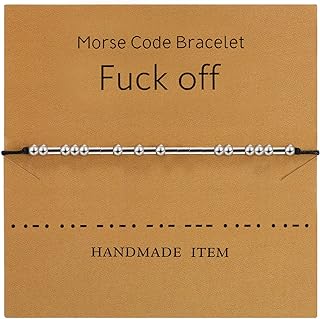
The production techniques employed vary significantly based on the type of personalized gift being created. Some items require advanced machinery, while others rely on traditional craftsmanship. For instance, engraving a metal bracelet involves precision tools that etch the desired text or design onto the surface.
Conversely, items like custom t-shirts often utilize screen printing techniques. This method involves applying ink onto the fabric through a mesh screen, allowing for vibrant colors and complex designs. Each technique requires specific skills and attention to detail to ensure that the personalization looks flawless.
Quality control is a critical step in the production process. Once an item is completed, it undergoes rigorous checks to ensure it meets the company's standards. Artisans inspect each product for defects, accuracy in personalization, and overall craftsmanship. This stage is vital as it ensures that customers receive gifts that exceed their expectations.
In many cases, companies implement a feedback loop where artisans and designers review customer feedback. This continuous improvement process helps refine techniques and enhance product quality. For example, if a particular engraving method receives consistent praise, it may be adopted more widely across other products.
After quality assurance, the personalized gifts move on to the packaging stage. Packaging plays a significant role in the customer experience. An aesthetically pleasing package not only protects the item but also adds an element of excitement for the recipient. Companies often invest in custom packaging solutions that reflect their brand identity.
For instance, personalized gifts may be wrapped in decorative paper and secured with a ribbon, enhancing the unboxing experience. Additionally, including a handwritten note can add a personal touch that resonates with the recipient. This level of attention to detail can transform a simple gift into a cherished memory.
Once packaged, the gifts are handed off to delivery services. Companies often provide customers with tracking information, allowing them to monitor the shipment's progress. This transparency builds trust and enhances the overall customer experience. Timely delivery is critical, especially for gifts intended for special occasions.
Throughout this entire process, customer engagement remains a priority. Many companies follow up with customers post-delivery to gather feedback or encourage them to share their experiences on social media. This engagement not only fosters a sense of community but also serves as valuable marketing through word-of-mouth recommendations.
Personalized gifts are more than mere products; they represent thoughtfulness and care. Understanding the intricate process from order to delivery provides insight into the dedication and craftsmanship behind each unique item. This journey showcases how a simple idea can evolve into a cherished gift that holds sentimental value for years to come.